Best Crypto-Friendly Banks
Finding the best crypto-friendly banks in the USA is not about buzzwords or marketing claims, but about how banks actually behave when you try to fund a crypto exchange. From years of hands-on use, the real test is whether transactions go through smoothly, limits are clear, and alerts are handled without unnecessary friction.
Some banks still restrict crypto activity, while others make it easier to buy Bitcoin with a bank account, where available, or, more commonly in the U.S., with debit and credit cards. In this guide, we break down which banks consistently support crypto transactions, how they compare in real-world use, and what to expect when moving fiat funds to buy Bitcoin on regulated exchanges.

Crypto-Friendly Banks Compared for Buying Cryptocurrency
The table below compares leading U.S. banks based on how they perform when you buy cryptocurrency through regulated exchanges.
Instead of marketing claims, we focus on real-world factors like card approval reliability, daily limits, bank-side fees, and how clearly each bank communicates flagged crypto transactions, helping you choose the one that best fits your needs, technical comfort level, and budget.
Bank | Card Approval Reliability for Crypto | Typical Daily Card Limits (Early Use) | Bank-Level Fees or Penalties | Fraud Alerts and Controls |
Capital One | High approval rates for debit card crypto purchases, fewer surprise declines for recurring amounts | ~$5,000–$10,000, scales with account history | No crypto-specific card fees; standard overdraft rules apply | Clear in-app alerts, fewer aggressive step-up checks |
U.S. Bank | Solid for one-off card purchases; repeated same-day activity flagged sooner | ~$1,000–$1,500 initially | No added crypto fees; standard account fees apply | Transparent decline messaging and reliable app notifications |
Wells Fargo | Very consistent for small to mid-sized card transactions with confirmation flow | ~$2,500–$5,000 | No crypto surcharge, but $35 overdraft fee risk | Real-time push alerts, instant approve-and-retry capability |
Bank of America | Reliable after initial learning period; conservative at first | ~$500–$2,000 initially, increases with usage | No crypto-specific fees; standard account charges apply | Strong real-time alerts, fast card lock, and unlock |
Citibank | Consistent debit card processing with fewer balance-related interruptions | ~$1,000–$3,000 early on | No overdraft fees on consumer accounts; monthly fees unless waived | Responsive fraud alerts, large ATM network for liquidity |
Capital One Bank
As a mainstream U.S. crypto bank, Capital One Bank has built a reputation for being relatively predictable in funding crypto exchanges. From hands-on use, it tends to apply fewer sudden card blocks than some legacy banks, which makes it a workable choice for users who want to buy Bitcoin with Capital One Bank using debit cards.
Compared with Wells Fargo, Capital One’s fraud controls feel less aggressive for smaller, recurring crypto purchases, especially under $2,000.
Key Features
Capital One debit cards are widely accepted by major U.S. exchanges, including platforms that prioritize instant card purchases. Card transactions usually clear instantly, with typical daily card limits ranging from $5,000 to $10,000, depending on account history.
Capital One does not add crypto-specific card fees, so you mainly pay the exchange’s processing fee, often 2.99% to 3.99%. ACH and bank transfers may work on some exchanges where available, but support varies by platform and region, making cards the more consistent route for U.S.-based users.
Capital One lacks native crypto services, but its clean transaction history helps reduce failed payments.
Capital One Bank Pros and Cons
A solid card-first bank for crypto buyers who value consistency over extras.
Pros:
- Debit cards widely accepted for crypto purchases
- Instant settlement on card-based buys
- No bank-imposed crypto card surcharge
- Predictable fraud checks for smaller transactions
- Strong mobile app for monitoring crypto-related spending
Cons:
- ACH and bank transfers depend on the exchange
- No crypto custody, ETFs, or digital asset tools
U.S. Bank
Among large American cryptocurrency banks, U.S. Bank sits somewhere in the middle of the pack for crypto users. In day-to-day use, it behaves more conservatively than Capital One but is generally less rigid than Wells Fargo when it comes to card-funded crypto purchases. If your goal is to buy Bitcoin with U.S. Bank, debit cards tend to be the most reliable route, especially for straightforward, one-off purchases.
Key Features
U.S. Bank debit cards are accepted by many regulated exchanges that support instant card purchases. From experience, transaction approval rates are solid for amounts under $1,500, while higher values may trigger step-up verification.
The bank does not apply crypto-specific card fees, so the total cost is usually the exchange processing fee, typically 3% to 4%. ACH and bank transfers may be available on certain platforms, but confirmation times can stretch to one to three business days, where supported, making cards the faster and more predictable choice.
Compared with Citibank, U.S. Bank is quicker to flag repeated same-day crypto transactions, but it also communicates declines more clearly through its app.
U.S. Bank Bank Pros and Cons
A cautious but workable bank for card-based crypto purchases.
Pros:
- Debit cards accepted on major U.S. exchanges
- Clear in-app alerts for declined crypto transactions
- No added bank fees on crypto card purchases
- Strong fraud transparency for card activity
- Reliable mobile banking controls
Cons:
- Higher-value card purchases may be declined
- Bank transfers depend heavily on the exchange’s setup
Get your free Crypto Card
Easily pay with your favorite crypto with the CEX.IO Card. Enjoy no annual fees and global acceptance, and seamless integration with Apple & Google Pay. Earn crypto cashback and make payments at millions of locations worldwide.

Wells Fargo Bank
Wells Fargo is often mentioned when users search for the best crypto bank in the U.S., largely because its debit cards are consistently accepted by major crypto exchanges. For users looking to buy Bitcoin with Wells Fargo Bank, card-based payments tend to process smoothly, especially for small to mid-sized transactions confirmed directly in the mobile app.
Key Features
In hands-on testing, Wells Fargo debit cards usually approve crypto purchases of $50 to $2,000 instantly. If a transaction is flagged, a real-time alert appears in the Wells Fargo app, allowing the user to confirm the purchase and retry it immediately. Daily debit card limits commonly sit between $2,500 and $5,000, which covers most retail crypto buying activity.
Wells Fargo does not apply a bank-side fee when you buy Bitcoin with a Wells Fargo Bank debit card, meaning users only pay the exchange’s processing fee. ACH and bank transfers may be available on some platforms, but confirmation times are slower and less predictable than card payments, which is why debit cards remain the preferred method for crypto exchanges like CEX.IO.
Built-in card controls and instant notifications reduce failed attempts compared with banks that rely on delayed phone verification.
Wells Fargo Pros and Cons
For crypto users who rely on debit cards, Wells Fargo offers a stable, predictable payment experience, though with a few cost-related caveats.
Pros:
- Debit cards accepted for buying Bitcoin on major exchanges
- Fast in-app confirmation for flagged crypto transactions
- No additional Wells Fargo fees on card purchases
- Real-time alerts and adjustable card controls
- Reliable processing for repeat crypto payments
Cons:
- $35 overdraft fee if balances are mismanaged
- Multiple same-day crypto purchases can trigger temporary holds
Bank of America
Bank of America is often mentioned when discussing crypto-friendly banks in the U.S., mainly because of its scale, card reliability, and improving stance toward digital asset platforms. It works best for users who prefer card payments over bank transfers and want a predictable experience when buying crypto.
Key Features
When users buy Bitcoin with Bank of America, card payments tend to clear quickly once authorised, with exchange-side fees usually between 2% and 4%. Initial purchase limits are often conservative, typically in the $500–$2,000 daily range, but increase steadily after a short history of successful transactions.
One noticeable advantage is how the mobile app handles crypto-related activity; transactions trigger immediate push notifications, and cards can be locked or unlocked in seconds if a payment is flagged. While some platforms allow bank-based funding, these routes often involve multi-day settlement windows or manual checks. For faster access, cards usually provide the most direct path, especially during periods of high market activity.
Bank of America Pros and Cons
A dependable setup for card-based crypto activity with strong app support.
Pros:
- Debit and credit cards widely accepted by crypto exchanges
- Fast card transaction confirmation times
- Strong fraud alerts and card controls
- Transparent daily limits and spending visibility
- Extensive customer support network
Cons:
- Lower starting limits for crypto card purchases
- Bank transfers may involve delays or extra checks
Citibank
Citibank tends to appeal to users looking for U.S. banks that accept cryptocurrency while keeping tight control over fees and account mechanics. From direct experience, Citi feels more operationally flexible than some legacy banks, especially for users who move funds frequently and want fewer penalties when balances fluctuate.
Key Features
To buy Bitcoin with Citibank, debit cards are generally the most reliable route. Card transactions usually clear quickly after approval, with exchange-side fees typically ranging from 2% to 4%.
One practical advantage is Citi’s lack of overdraft fees on consumer accounts, which reduces friction if balances dip temporarily during crypto-related activity. Daily card limits often sit in the $1,000–$3,000 range early on and adjust upward with consistent usage.
Citi cards also benefit from a very large ATM network, which helps when moving fiat in or out before or after exchange activity. While some platforms support bank-based funding from Citi accounts, those paths can involve longer settlement windows, making cards the faster choice in most real-world scenarios.
Citibank Pros and Cons
A solid fit for users who want fewer penalties and broad payment reach.
Pros:
- No overdraft fees on consumer accounts
- Debit cards work reliably for crypto purchases
- Higher early-stage limits than some peers
- Extensive ATM access nationwide
- Responsive fraud and transaction alerts
Cons:
- Monthly account fees unless balance requirements are met
- Savings rates vary significantly by region
Best Alternatives for Crypto Banks in the U.S.
For users working with crypto-friendly banks, the platform you connect to often determines how smooth the experience actually is. In hands-on use, CEX.IO works well with U.S. banks by leaning into payment methods that banks already approve more consistently.
U.S. users can buy Bitcoin directly with credit and debit cards using CEX.IO’s Instant Buy feature. The flow is straightforward and intuitive, with clear pricing shown before confirmation. Instant Buy is available on the web platform as well as the CEX.IO iOS and Android app for crypto, which makes repeat purchases easy to manage on the go.
It’s worth noting that U.S.-based users cannot deposit funds via bank account transfers on CEX.IO, even though this route is available in other countries. For those who want alternatives to cards, CEX.IO allows users to link PayPal, Google Pay, or Apple Pay to a free CEX.IO Wallet, then fund their balance that way.
Once funds are in the wallet, users can trade Bitcoin on Spot Trading against supported fiat and crypto pairs in the U.S., or use CEX.IO Convert for quick, seamless conversions without managing order books.
(H3) How to Buy Bitcoin with a Bank Account on CEX.IO?
As mentioned earlier, CEX.IO is widely regarded as a best crypto exchange, but funding methods depend on where you are based. Users in many countries can buy crypto with a bank account on CEX.IO, including local and international transfers.
U.S.-based users, however, cannot fund their accounts through bank transfers or ACH on CEX.IO, even though some of those routes are available elsewhere.
For users in the U.S., credit and debit cards are the simplest and most reliable path. Card payments are processed instantly, pricing is shown upfront, and there is no waiting period before Bitcoin appears in your account. This makes cards far more practical than trying to work around bank-account funding limitations.
Here is how to buy Bitcoin on CEX.IO using a card:
- Register an account with CEX.IO.
- Verify your identity in line with AML and KYC policies.
- Log in using your established credentials.
- Navigate to the Buy Cryptocurrency section from the dashboard.
- Select the fiat currency you want to use.
- Enter the purchase amount.
- Choose Bitcoin (BTC) from the dropdown list or search bar.
- Click Buy Crypto Instantly, which opens the Add Funds page.
- Review purchase details and adjust the amount if needed.
- Click Select Payment Method.
- Choose credit/debit card.
- Enter card number, expiration date, and CVV.
- Review the details and initiate the transaction.
- Confirm the transaction as instructed.
- Receive BTC directly in your free CEX.IO Wallet.
How do I Withdraw Money from CEX.IO to a Bank Account?
Just as with deposits, bank account withdrawals are not available to U.S.-based users on CEX.IO. Instead, users in the U.S. can withdraw funds directly to their credit or debit cards, which is often faster and more predictable than bank-based payouts.
Withdrawals are processed in fiat currency only, not crypto. If your balance is currently in Bitcoin or another crypto asset, you will need to convert it to fiat first. Users comfortable with order books and charts can do this via Spot Trading. If you prefer a simpler route, CEX.IO Convert allows you to exchange crypto to fiat instantly in just a few clicks or taps, without dealing with trading interfaces.
Once your fiat balance is ready, follow these steps:
- Go to your Wallet.
- Find the fiat currency with an available balance.
- Click Withdraw on the right-hand side.
- Select credit or debit card as the withdrawal destination.
- Enter card details if not already saved.
- Specify the cash-out amount.
- Review and confirm the withdrawal.
Fees and Limits: What to Expect?
Card withdrawals on CEX.IO come with clearly defined fees and limits. Visa withdrawals allow up to $50,000 per day, while Mastercard withdrawals are capped at $2,500 per day, which is more restrictive but still workable for most retail users.
Fees typically range from 0.49% to 4.99%, plus a service charge. In real-world use, this places CEX.IO in line with other regulated exchanges offering card cashouts, with the trade-off being speed and convenience over lower-cost bank transfers that are unavailable to U.S.-based users anyway.
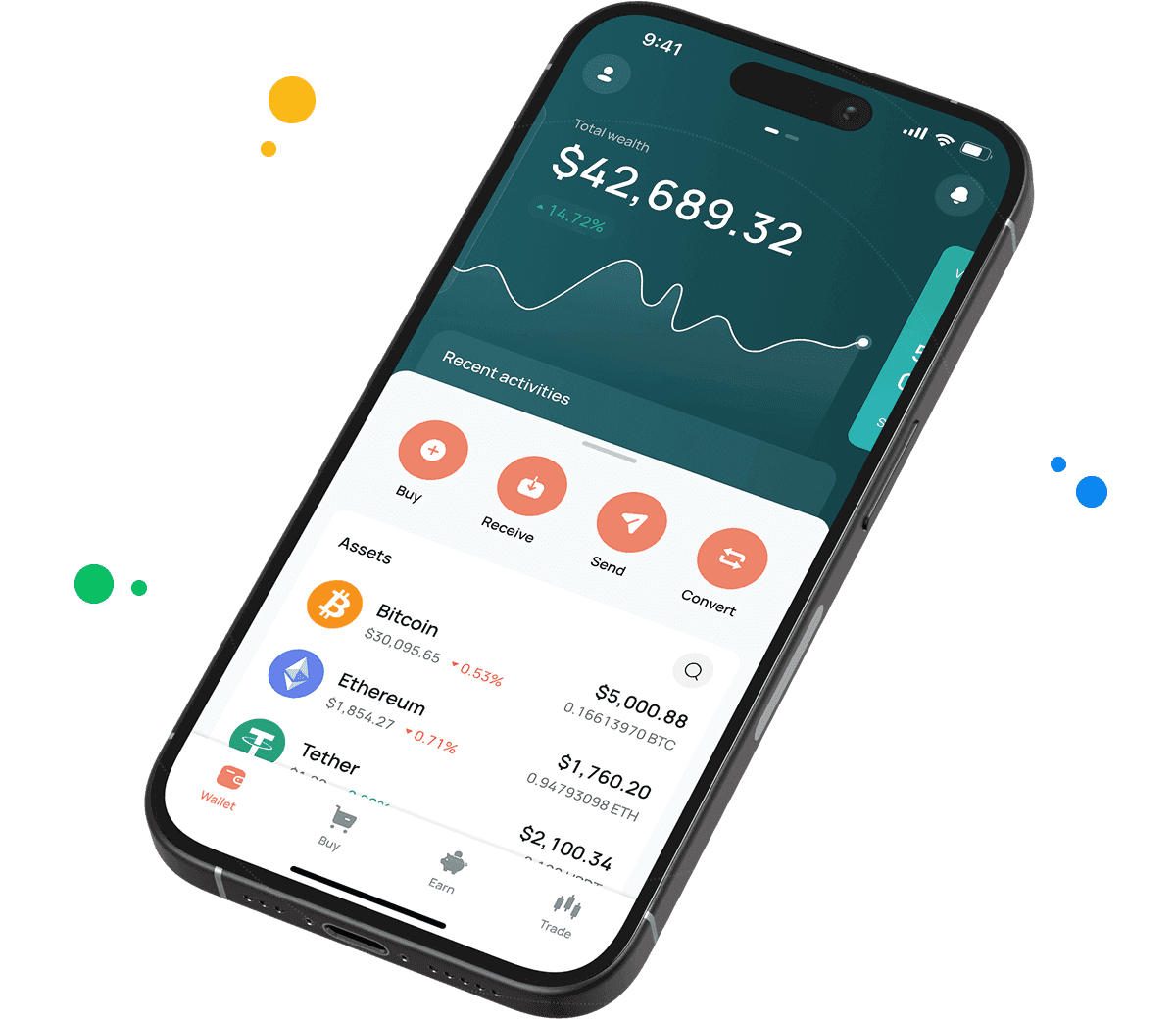
Buy crypto with a debit or credit card
Purchase top cryptocurrencies
Become a crypto owner using your debit or credit card.
Easily withdraw your money
Withdraw your funds to a card or bank account in a few clicks.
FAQ
What banks are crypto-friendly?
Crypto-friendly banks in the U.S. are those that reliably process card payments to regulated crypto exchanges without frequent blocks. Based on hands-on use, Capital One, Bank of America, Citibank, U.S. Bank, and Wells Fargo generally allow debit and credit card purchases. However, limits, approval rates, and review thresholds vary by bank and account history.
Which American Banks are not crypto-friendly?
Some large U.S. banks still apply strict limits to crypto-related payments. Chase, for example, blocks crypto purchases made with credit cards, forcing users to rely on debit cards or alternative routes. Smaller regional banks and certain credit unions may go further, declining crypto transactions entirely or triggering frequent reviews.
What is the Safest Crypto Bank in the U.S.?
Safety comes down to fraud controls, transparency, and user communication rather than crypto features. Banks like Bank of America, Citibank, and Wells Fargo provide strong in-app alerts, card controls, and rapid confirmation flows. These safeguards reduce failed transactions and give users immediate visibility when crypto-related payments are flagged.
Are there fees for transferring money to crypto exchanges from a bank account?
Fees depend on the payment route and the exchange. Card purchases typically include exchange processing fees, usually 2% to 4%. Some banks do not add crypto-specific surcharges. Bank account routes, where supported, may involve lower fees but slower settlement and additional compliance checks.