5 LBank Alternatives
Finding the right LBank alternative comes down to how you want to buy bitcoin, move funds, and manage risk. While LBank crypto exchange appeals to traders looking for broad token access, many users eventually look for platforms with clearer fee structures, stronger regulation, or more predictable withdrawals.
In this guide, we break down the top LBank alternatives that let you buy Bitcoin, trade spot markets, and manage crypto without relying on opaque funding routes or workarounds. Each solution is reviewed based on how funds move in and out, how trading actually works day to day, and what type of user it best fits, so you can choose an exchange that matches how you operate, not just what’s advertised.

What is a LBank and how does it work?
LBank is a centralized crypto exchange where users create accounts to buy, sell, and trade digital assets, typically via spot trading and other in-app tools. It works by matching orders between buyers and sellers and holding funds in custodial wallets until you withdraw. LBank crypto exchange is mainly for traders who want access to a wide range of tokens and simple trading tools, but it best suits users who are comfortable with the platform and regulatory risk.
Summary Table
The table below breaks down key LBank crypto exchange features and compares them with leading alternatives, focusing on how you actually buy crypto in LBank versus other platforms.
Instead of listing surface-level tools, it highlights funding access, trading control, asset coverage, and operational transparency, so you can quickly see which exchange fits your trading style, risk tolerance, and ability to move funds in and out reliably.
Exchange | Fiat Access & Funding | Trading Style & Control | Asset Coverage | Regulatory / Custody Clarity |
LBank | Limited direct fiat access; often relies on third-party processors | Basic spot trading with simple order types | Very broad token list, frequent new listings | Light regulatory disclosure; custody practices less transparent |
CEX.IO | Cards, PayPal (US), SEPA/SWIFT/Faster Payments (non-US); clear payment flow | Full spot order book, sub-accounts, margin (up to 20× where eligible) | Mid-sized, curated selection | Licensed operations, traceable custody, predictable withdrawals |
KuCoin | Mostly crypto-native funding; limited direct fiat rails | Advanced spot + futures, OCO, high leverage (up to 100×) | Very large (700+ assets) | Mixed regulatory clarity by region |
Coinbase | Strong bank integration (ACH, cards); verified accounts | Simple buys + separate advanced trading interface | Large but selective | High transparency, regulated banking partners |
Gemini | Named bank rails (ACH, wire, SEPA, FPS) | Clean spot trading via ActiveTrader; OTC for size | Narrower, compliance-focused | New York trust, fully reserved custody, auditable records |
CEX.IO
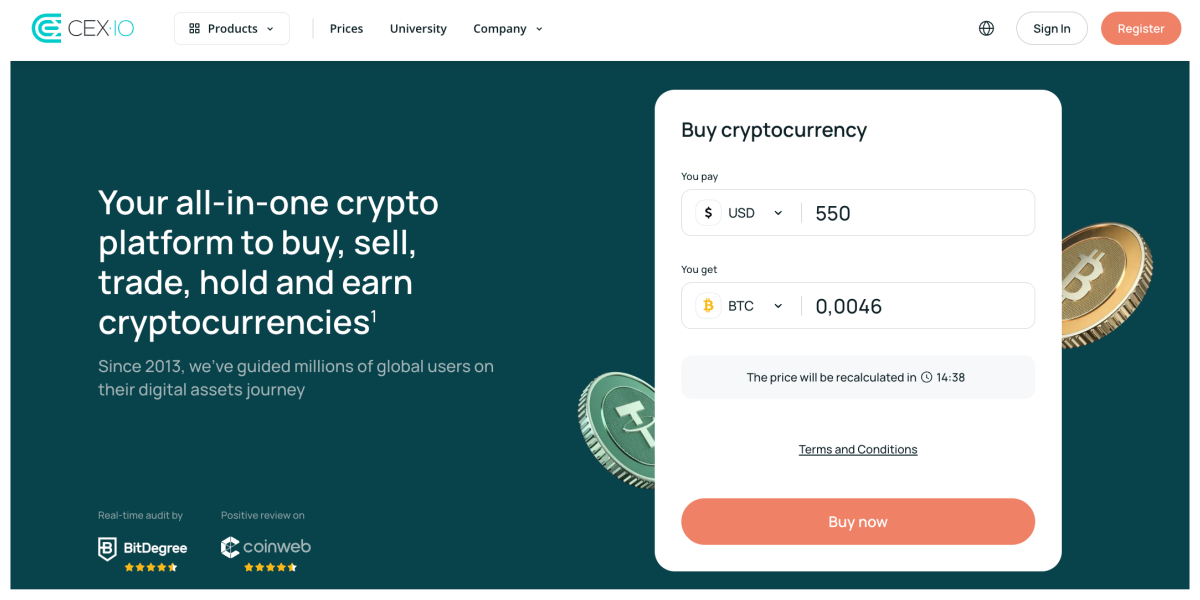
CEX.IO is our best LBank alternative for enthusiasts who want a regulated, transparent crypto exchange with predictable access to fiat and clear trading mechanics.
The platform focuses on direct usability: you get instant buy/sell with cards, bank transfers (SEPA, SWIFT, Faster Payments), and a fully accessible spot market without locking funds.
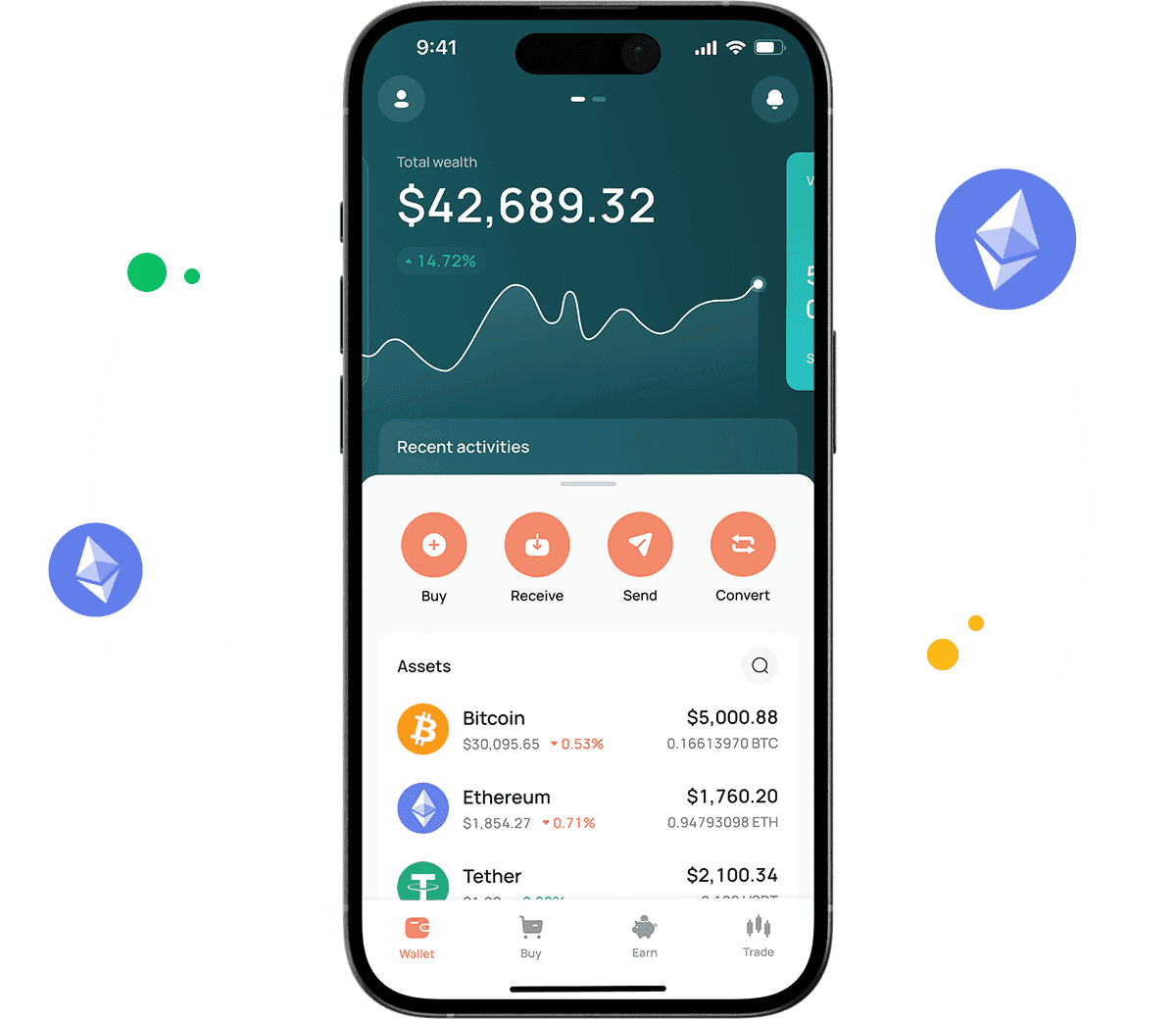
Its product suite covers spot trading, recurring purchases, staking, savings, and a custodial wallet, all available from one account. This structure makes CEX.IO easier to operate for users who want full account functionality without committing capital to platform-specific programs.
Why do Users Like CEX.IO?
Users tend to like CEX.IO because the crypto trading platform doesn’t force them into separate “buy here, trade there” experiences: they can purchase with card/bank, hold assets in a crypto wallet, then move straight into spot trading when they want tighter pricing and more control.
If you’re a beginner, that means a clear path: start with Instant Buy and acquire your first asset, then graduate to the order book (market/limit orders, visible depth, trade prints) when you’re ready.
For experienced traders, sub-accounts (up to five) help separate strategies (e.g., long-term holds vs. active positions), while margin (up to 20x where eligible) and API connectivity support more systematic execution.
CEX.IO Pros and Cons:
CEX.IO lets you switch from Wallet to the exchange terminal, where cryptocurrency prices, order book depth, and trade history are displayed on a single screen for quick decision-making.
Sub-accounts (up to five) make it easy to ring-fence funds, for example, one account for long-term BTC, another for short-term altcoin trades, without opening multiple logins.
Margin trading up to 20x and API keys add pro tooling. What could improve, in our opinion, is the broader token coverage and clearer, product-by-product fee examples for Instant Buy versus maker/taker orders, so new users can predict costs before they click through checkout and avoid surprises during volatile markets.
Pros:
- One account flows from buy → wallet → spot terminal (no separate exchange-wallet hop)
- Market/limit order book with visible depth and recent trades
- Up to five sub-accounts for separating strategies and risk buckets
- Margin trading up to 20x (where available)
- API access for bots and programmatic execution
Cons:
- Smaller asset catalog than the biggest global exchanges
- Instant-buy quotes can cost more than trading via maker/taker orders.
Buy crypto with a debit or credit card
Purchase top cryptocurrencies
Become a crypto owner using your debit or credit card.
Easily withdraw your money
Withdraw your funds to a card or bank account in a few clicks.
KuCoin
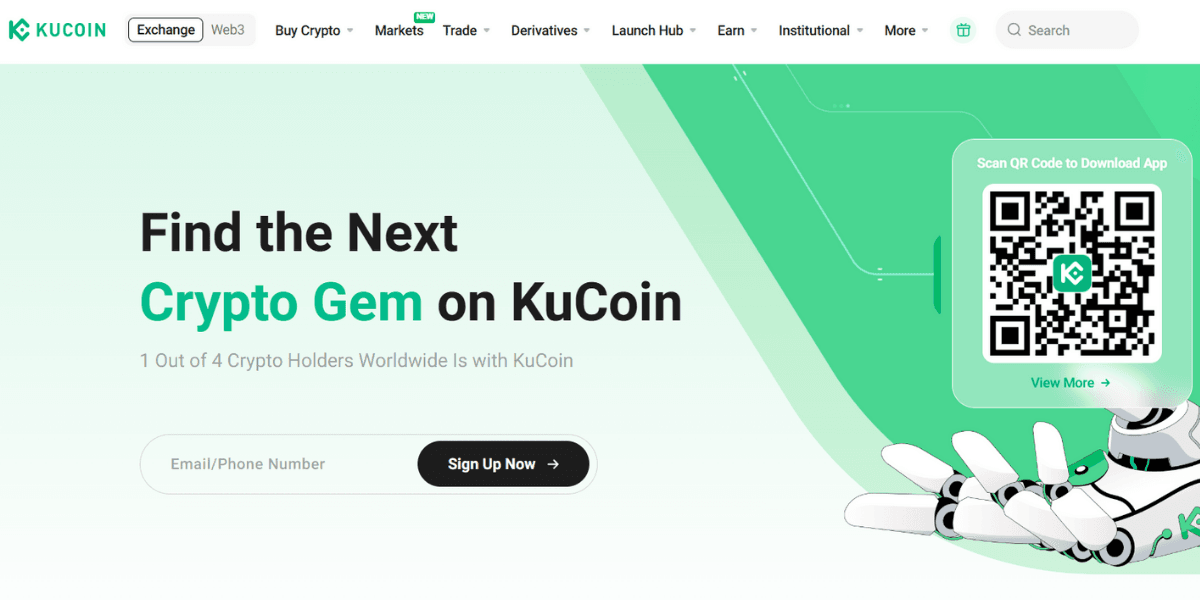
Traders often choose KuCoin as an alternative to LBank when they want access to a very broad altcoin market without complex onboarding. From a professional trading standpoint, its main draw is scale: 700+ listed assets and hundreds of spot pairs, which materially increase the odds of potentially catching early liquidity before volumes migrate to larger venues.
The trading interface supports market, limit, and stop-limit orders, as most trading exchanges do, and OCO orders, with spot fees starting around 0.1% and dropping further when paid in KCS. For active traders, features like cross-margin, isolated margin, and futures up to 100x make KuCoin a high-octane venue, closer in depth and tooling to what users expect from a Binance crypto environment.
KuCoin Pros and Cons:
KuCoin stands out for how aggressively it caters to active traders. Futures markets offer leverage up to 100x, funding rates update every eight hours, and maker fees on futures can drop to 0.02% at higher tiers, though those numbers can only matter if you trade size.
The spot engine handles high-order throughput, and the mobile app mirrors desktop tools closely, which is not trivial during fast markets. That said, customer support response times can lag during volatility, and regulatory clarity varies by region, which long-term capital allocators should factor in.
Pros:
- 700+ cryptocurrencies and extensive altcoin liquidity
- Spot fees around 0.1%, lower with KCS discounts
- Futures trading with leverage up to 100x
- Advanced order types (OCO, stop-limit, grid bots)
- Desktop and mobile interfaces with near feature parity
Cons:
- Slower support during peak market stress
- Regulatory coverage is less transparent in some jurisdictions
Coinbase
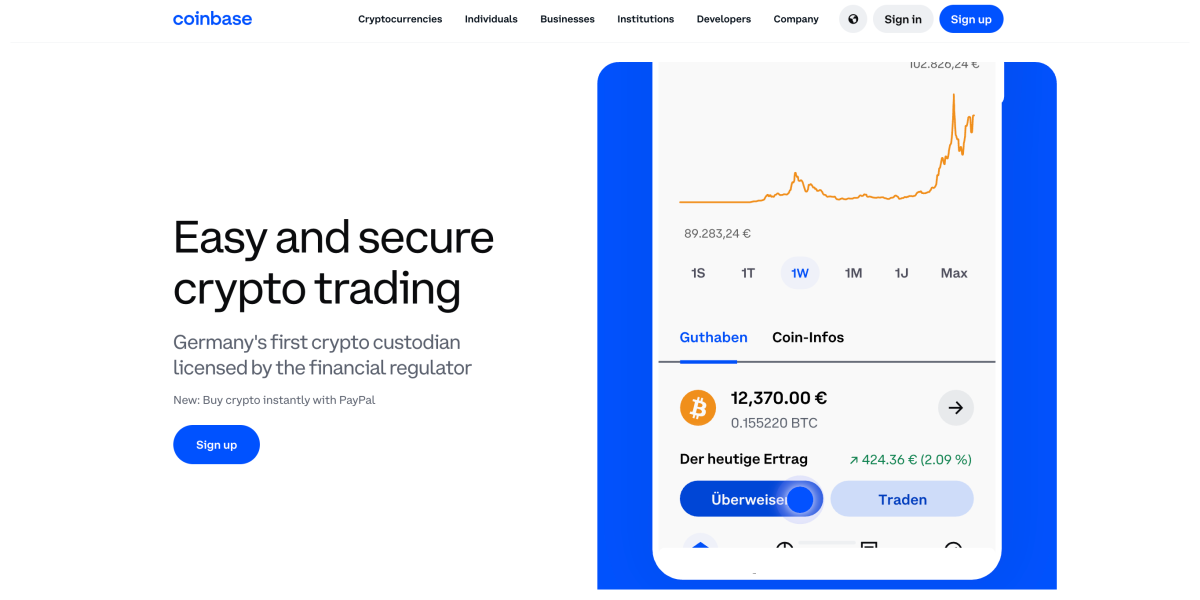
Coinbase is another popular LBank alternative that centralizes portfolio tracking, transaction history, and tax-relevant data inside a single interface.
Every trade, conversion, reward payout, and withdrawal is logged with timestamps, execution price, and a visible fee breakdown. This removes the need to manually reconcile balances using spreadsheets, block explorers, or third-party portfolio apps.
For users moving away from LBank, the difference is operational: deposits arrive via named bank rails, withdrawals move to verified bank accounts, and each step shows a clear status rather than the uncertainty of pending. Funds are processed through regulated financial partners rather than routed via opaque intermediaries, so users can trace exactly where their money comes from and where it goes.
Coinbase Pros and Cons:
When placing a buy or sell order on Coinbase, the platform shows the execution price, service fee, and total cost before confirmation. During market swings, this can come in handy because you can see whether you’re paying a spread premium or a fixed transaction fee instead of discovering it after the trade settles.
Fiat deposits are linked to verified bank accounts, and withdrawals follow a traceable status flow (submitted, processing, and completed) rather than remaining indefinitely “pending.” Every transaction is recorded with timestamps and reference IDs, which simplifies portfolio reviews and tax reporting.
The trade-off appears in cost and workflow: instant purchases are more expensive than limit orders, and advanced order types require switching to Coinbase Advanced, adding steps for active traders.
Pros:
- Pre-trade visibility of price, fees, and totals
- Bank-verified deposits and withdrawals
- Exportable transaction and tax history
- Clear trade and transfer status updates
- Stable mobile and web execution
Cons:
- Higher fees for instant purchases
- Advanced tools are available in a separate interface.
Crypto.com
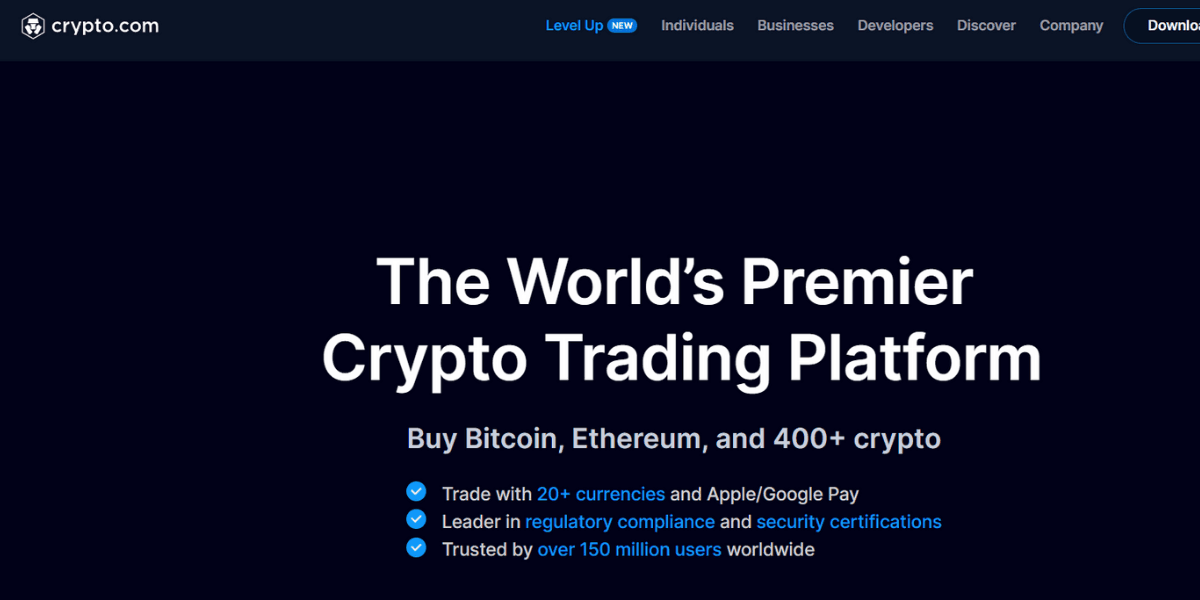
Crypto.com offers trading with spreads and yield features within one app. You can buy and sell crypto directly from the same interface you use for staking, card rewards, and balance management.
Orders are executed instantly at quoted prices, which suits users who prioritize speed over manual control. The app supports a wide range of assets and networks, making transfers between chains practical without external wallets.
Other LBank alternatives, such as Coinbase, are built around trading terminals where the core experience revolves around order books, depth charts, multiple order types, and constant manual position management. On these platforms, users typically move between spot, futures, wallets, and earn products through separate interfaces, and value is extracted through precise entry prices, fee tiers, and execution speed.
However, Crypto.com takes a different route. Trading is embedded within a broader account flow, where purchased assets can be staked, spent via a card, or transferred without switching environments. The trade-off is clear: fewer advanced order controls, but less operational friction for users who prioritize accessibility over micromanaging positions.
Crypto.com Pros and Cons:
With Crypto.com, you don’t need to switch tools to manage your assets. Once you purchase crypto, you can allocate the same balance to staking, card rewards, or store for price movement without transferring funds between separate wallets or platforms.
This design is more or less similar to what other LBank competitors offer, primarily CEX.IO, and benefits enthusiasts who prefer to act on broader market moves rather than executing dozens of intraday trades.
The compromise appears in trade execution: users looking to control entries with layered limit orders or fine-tuned fee optimization will find fewer solutions than on exchanges built primarily around active spot trading.
Pros:
- Unified app for trading, holding, and spending
- Direct access to staking from the main balance
- Large asset and network coverage
- Strong mobile-first experience
- Clear visibility of rewards and yields
Cons:
- Limited order-type depth
- Less suited for high-frequency trading
Gemini
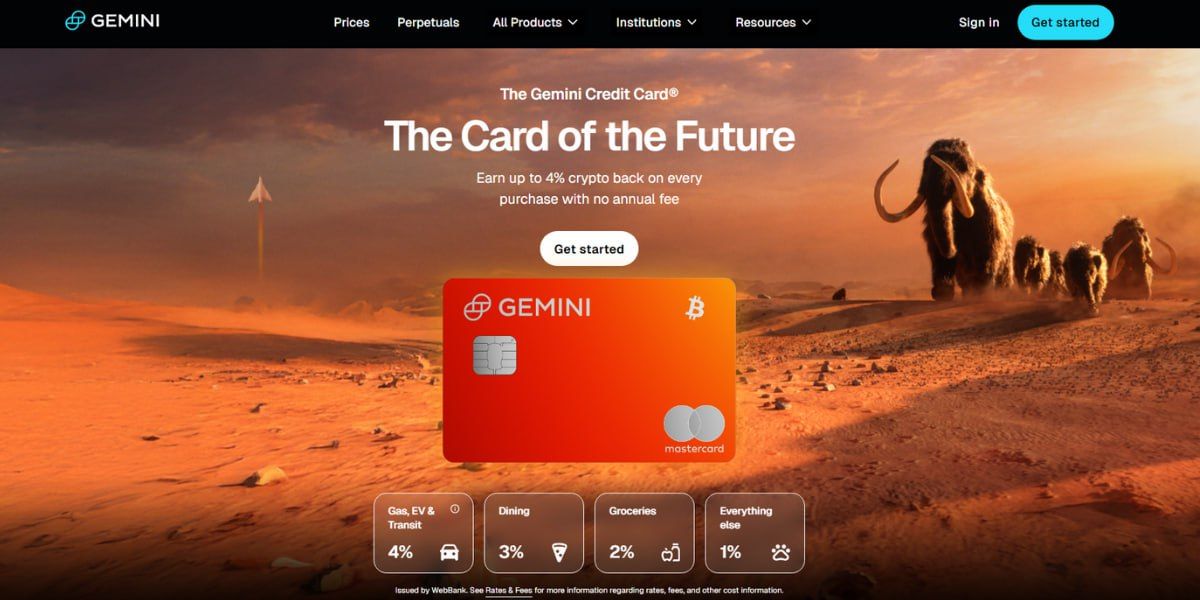
Gemini operates as a regulated crypto exchange that treats custody, funding, and withdrawals as first-class functions rather than afterthoughts. When you deposit funds, they move through named bank rails (ACH, wire, SEPA, Faster Payments) into accounts held under a New York trust structure.
Your crypto balances remain fully reserved, not rehypothecated, and every movement is logged with clear timestamps and references, which is a key aspect of Gemini service, in our opinion.
You can trade spot markets, stake supported assets, execute larger orders through the OTC desk, and store funds in a custodial wallet without leaving the platform. Gemini intentionally limits token listings, focusing on assets with established liquidity and compliance clearance.
This approach suits users who value operational certainty, auditable records, and controlled exposure more than early access to speculative listings.
Gemini Pros and Cons:
The first thing we notice about Gemini is how predictable the platform behaves compared to many LBank alternatives. When you submit a fiat withdrawal, it doesn’t vanish into a generic “processing” state.
You see, when it’s accepted, when it clears compliance checks, and when it hits your bank. The same applies to crypto withdrawals: network, fee, and confirmation status are all visible before you confirm, which materially reduces execution anxiety during volatile markets.
Trading-wise, ActiveTrader gives you a clean order book with visible depth and maker/taker pricing, so you can place limit orders knowing exactly where liquidity sits instead of trading against opaque spreads.
On the other hand, asset selection is narrower, and if you’re hunting newly launched tokens or aggressive leverage, other LBank alternatives move faster. Gemini favors capital preservation and traceability over speed-to-listing.
Pros:
- Fully reserved custody with traceable fiat and crypto flows
- Clear withdrawal and settlement status at every step
- Transparent spot order books with predictable execution
- OTC desk for moving size without market impact
Cons:
- Slower access to newly listed or speculative assets
- Limited leverage and derivatives availability by region
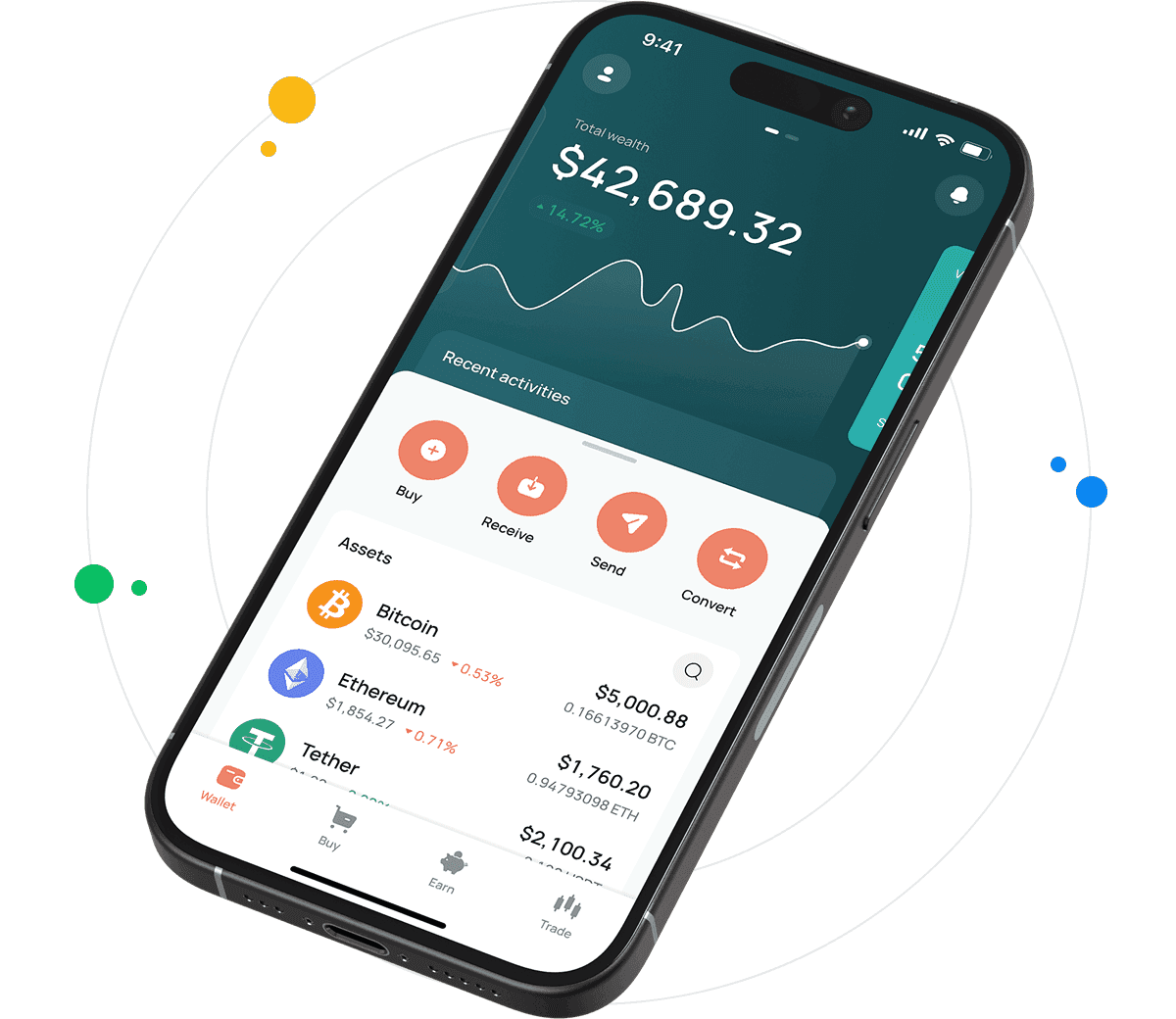
Buy crypto instantly with card
Buy Bitcoin, Ethereum and other top cryptocurrencies securely with your debit or credit card. Fast purchases, low fees, easy withdrawals.
FAQ
What is the best LBank alternative in the US?
For U.S.-based users, CEX.IO stands out as a practical LBank alternative because it offers compliant, clearly defined fiat on-ramps without relying on offshore workarounds. Instead of bank transfers, U.S. customers can fund accounts via credit and debit cards issued by major banks (including JPMorgan, Citibank, and Wells Fargo), PayPal (U.S. only), Apple Pay, and Google Pay. This setup lets you buy crypto instantly, hold it in a custodial wallet, or move straight into spot trading from the same account. While it’s not built around ACH rails in the U.S., the payment flow is transparent and predictable, which still matters when you want reliable access rather than gray-area funding methods.
How to choose the right LBank alternative?
To find the best LBank alternative, start with how you plan to use it. Check how deposits and withdrawals work, whether fees are shown before you trade, and if you can move from buying to spot trading without jumping between tools. Search exchange help pages and fee tables, not just marketing pages. Test with a small deposit first and run a full cycle: buy, trade, withdraw. Platforms like CEX.IO make this testing straightforward because bank rails and spot markets sit in a single flow, and the minimum deposit per transaction is $20 (or equivalent).
What is the safest crypto exchange?
“Safest” usually means you can see where your money is and who’s responsible for it. Exchanges like Gemini and Coinbase use regulated bank rails, keep customer funds segregated, and log every movement clearly. CEX.IO operates in a similar way, with licensed operations, transparent custody, and traceable deposits and withdrawals. For you, that means fewer grey areas, less reliance on workarounds, and a platform where fund movements are predictable rather than opaque.
What is safer than LBank?
LBank is generally considered safe for users in regions where it operates normally. However, if you’re based in the U.S., it’s usually better to choose exchanges that hold U.S. licenses and follow local regulations, such as CEX.IO or Binance. Accessing LBank through VPNs or workarounds can expose you to account restrictions, withdrawal issues, or compliance risks that regulated U.S. platforms are designed to avoid.
Who has lower fees than LBank?
KuCoin often undercuts LBank on spot trading, with base fees around 0.1% and further discounts when using KCS. CEX.IO and Coinbase can be more expensive for instant buys, but their spot order books (maker/taker models) become competitive when you use limit orders instead of one-click purchases. It all boils down to how you trade: whether you prefer instant buys, placing limit orders, or trading with the order book.
Can US users access all these LBank alternatives?
U.S.-based users can fully access CEX.IO, Coinbase, and Gemini, including fiat deposits and withdrawals. KuCoin remains accessible in a limited form but restricts certain features, such as derivatives and full KYC services, whereas Crypto.com is available in the U.S., but some products (like higher-yield earn programs or advanced trading tools) vary by state. Keep in mind that availability depends not only on the exchange but also on local regulatory rules tied to each service.