How to buy crypto with p2p
P2P (peer-to-peer) crypto trading lets buyers and sellers exchange assets directly, usually with the platform providing listings, verification, and dispute tools. It’s popular because it can offer flexible payment methods and competitive pricing, especially in regions with limited banking rails. However, P2P also shifts more responsibility to the user: you must evaluate counterparties, follow platform rules, and protect yourself from fraud. Below is a clear breakdown of what P2P is, how it works, and how to approach P2P trades with disciplined risk controls.

What is p2p trading
P2P trading is a marketplace model where one person buys crypto from another person without a traditional “broker-style” execution. The platform typically supplies the infrastructure: user profiles, offer listings, trade chat, and (often) escrow or controlled release conditions. In crypto, “P2P” can also refer to direct transfers between users, but the defining feature is that the trade is negotiated between participants, not filled against an exchange order book. P2P is commonly used to access local payment methods, negotiate price, and move funds in ways that match personal preferences.
How p2p works?
A typical P2P trade follows a structured flow: (
- A seller posts an offer with price, limits, and payment method.
- A a buyer opens the trade.
- The seller’s crypto is locked under platform rules (often escrow).
- The buyer pays off-platform via the chosen method.
- The seller confirms receipt.
- A crypto is released.
Advantages: flexible payment options, local currency access, potential price efficiency.
Disadvantages: counterparty and payment fraud risk, slower settlement, disputes, and stricter process discipline required. FinCEN guidance treats many “exchangers” as money transmitters, which is why reputable platforms emphasize compliance.
How to Buy and Sell Crypto on P2P Platforms
To buy on a P2P platform, start by completing identity checks (where required), then filter offers by payment method, limits, and seller reputation. Open a trade only if the terms are clear and achievable within the time window. Pay strictly from an account in your name and keep proof of payment. Never move the conversation off-platform. For selling, set realistic limits, confirm incoming funds independently (not screenshots), and release crypto only after final settlement. Use platform dispute tools immediately if the counterparty deviates from terms.
How to Buy and Sell Crypto on CEX.IO
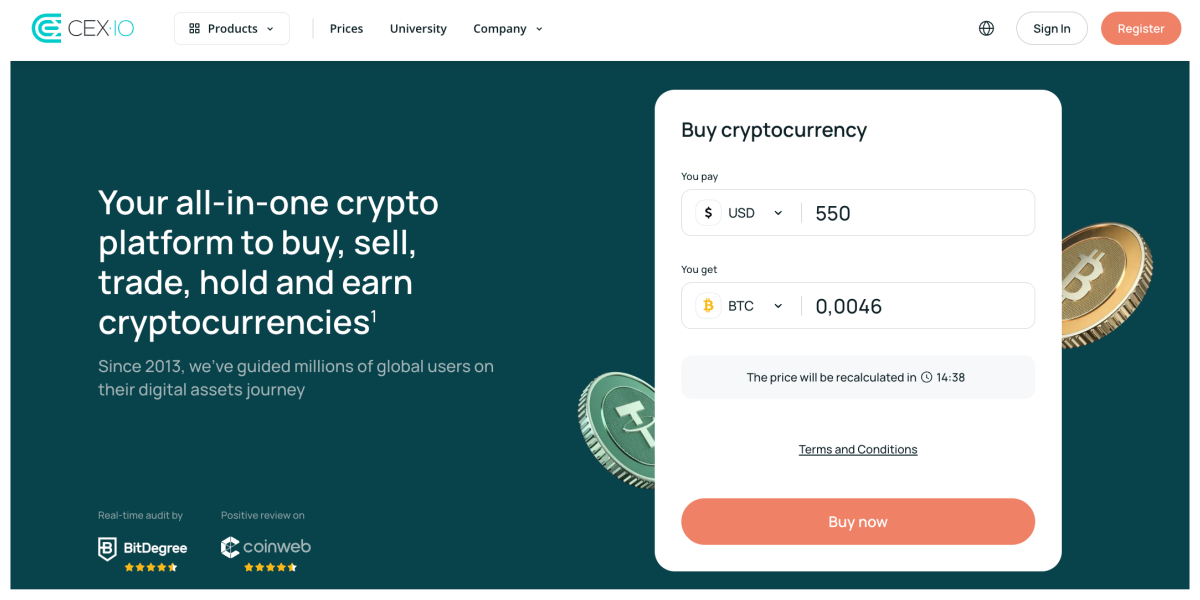
On CEX.IO, you can buy and sell crypto using the platform’s products (such as instant buy/sell and trading tools) and manage assets through your CEX.IO Wallet. For peer-to-peer style transfers inside the ecosystem, CEX.IO supports zero-fee transfers between CEX.IO accounts, enabling instant “peer-to-peer payments” within the platform environment.
Practical approach: secure your account (2FA, strong password), complete verification as prompted, choose the most suitable method (buy/sell or trading), and store assets in your wallet. For internal P2P transfers, confirm the recipient details before sending.
Why Choose CEX.IO
CEX.IO positions itself around compliance and operational security, supporting users with established on/off-ramps and a broad crypto services ecosystem. The company references US MSB registration with FinCEN and highlights PCI DSS Level 1 certification as part of its security posture.
For users comparing P2P versus centralized execution, the key advantage is controlled infrastructure: standardized processes, account security features, and clear policies. If you still need P2P-like convenience (e.g., sending value to another user), internal transfers can be simpler than negotiating with unknown counterparties.
Buy crypto with a debit or credit card
Purchase top cryptocurrencies
Become a crypto owner using your debit or credit card.
Easily withdraw your money
Withdraw your funds to a card or bank account in a few clicks.

FAQ
What is p2p crypto exchange
A P2P crypto exchange is a marketplace that connects buyers and sellers directly. Instead of buying from the platform, users trade with each other using posted offers. The platform usually provides profiles, trade rules, and dispute support, and may use escrow-like controls to help enforce fair settlement.
What is p2p in crypto
“P2P in crypto” typically means person-to-person transactions. This can refer to P2P marketplaces where users buy/sell with each other, or direct transfers between users. The core idea is that value moves between participants without a traditional intermediary setting the price like an order-book exchange.
How to make money on p2p crypto market
Common approaches include arbitrage (buying cheaper on one venue and selling higher on another), providing liquidity by posting competitive offers, or earning from spreads while controlling risk. Profit depends on fees, payment rails, volatility, and dispute rates. Consistent profitability usually requires strict pricing rules and strong fraud prevention processes.
How safe is p2p bitcoin trading
P2P Bitcoin trading can be safe if you use reputable platforms and follow disciplined procedures, but it is generally higher-risk than standard exchange execution because you face counterparty and payment fraud. Safety depends on escrow/dispute tooling, your counterparty screening, and whether you follow platform rules without exceptions.
How to minimize risks in p2p crypto trading
Use verified platforms, trade only with reputable counterparties, keep all communication on-platform, and never release crypto before final payment confirmation. Avoid third-party payments, insist on accounts in the counterparty’s name, retain receipts, and act quickly if terms change. Use 2FA and device security to prevent account takeover.
Is P2P illegal in the USA?
P2P trading itself is not automatically illegal, but US rules can apply depending on what you do. If you operate “as a business” exchanging crypto for money, you may be treated as a money transmitter and must meet federal and state compliance obligations.