Best Margin Trading Platforms
Learn how the leading crypto margin trading platforms compare on leverage limits, fees, liquidity, execution quality, and regulatory alignment. Discover which exchanges offer the most reliable, responsible margin-trading environments—plus top alternatives depending on your goals and jurisdiction.

Everything You Should Know About Margin Trading
Margin trading allows traders to open larger crypto positions using borrowed funds, rather than relying solely on their own balance.
But what does this mean in practice? This means you can trade BTC and other cryptocurrencies with increased market exposure, while posting only a portion of the total position value as collateral.
The goal here is simple: amplify potential rewards when the market moves in your favor. The risk is just as clear; losses grow at the same pace.
When we trade BTC on margin, the exchange temporarily lends additional funds against our collateral. If the price moves as expected, rewards reflect the full position size, not just the initial amount committed, as in regular spot trading. Naturally, if the market turns, losses accelerate, and the platform may trigger a margin call or close the position automatically to prevent further downside.
Margin trading, like any other type of trading for that matter, works best when paired with strict risk controls. Tools such as isolated and cross-margin, stop-loss and take-profit orders, and real-time margin monitoring can help traders, especially less experienced ones, stay in control. Without these safeguards, even small price swings can quickly erode available funds.
Because margin trading magnifies outcomes in both directions, it suits traders who understand volatility, position sizing, and discipline. Used correctly, it can be an effective way to trade BTC and other major assets. Used carelessly, it becomes an expensive lesson very fast.
Summary Table
The table below compares some of the best crypto margin trading exchanges, focusing on the factors that matter most when trading on margin. Rather than listing every available feature, it highlights practical differences in margin limits, fee clarity, and liquidity quality.
This overview can help traders quickly assess which platforms align with their risk appetites, trading style, and regulatory expectations before committing capital.
Exchange | Best For | Max Margin Multiplier | Fee Transparency | Liquidity & Execution |
CEX.IO | Risk-aware traders, beginners to intermediate | Up to x20 | High, clearly disclosed | Stable, aggregated liquidity |
Kraken | Compliance-focused traders | Up to x10 | High, but higher fees | Strong on major pairs |
Crypto.com | Users wanting regulated ecosystem access | Up to x10 | High | Reliable, weaker depth |
MEXC | Traders looking for broad asset access | Up to x200 | Moderate | Strong on majors, thinner on small caps |
Binance | High-volume and active traders | Up to x10 | Moderate | Deep global liquidity |
OKX | Advanced derivatives traders | Up to x10 | Variable | Strong but complex |
Bybit | Short-term active traders | Up to x100 | Variable | Fast execution, volatile conditions |
CEX.IO – Overall the Best Margin Trading Platform
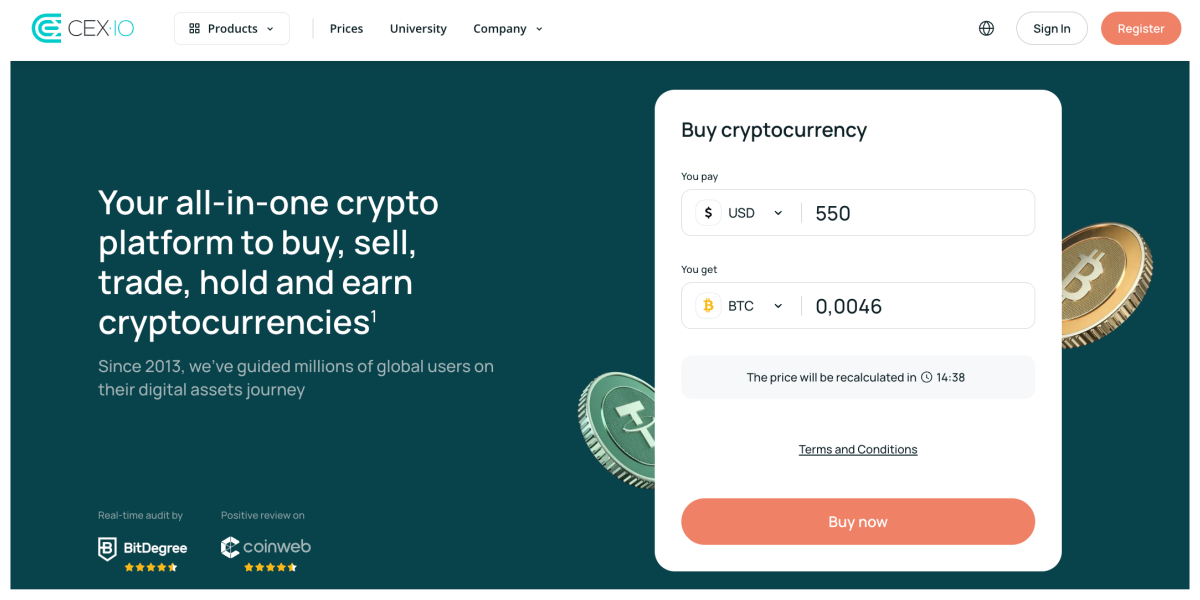
CEX.IO is a long-established crypto exchange that focuses on regulated access, transparent conditions, and a trading environment designed for consistency rather than hype.
For margin trading, it targets traders who want predictable execution, clear costs, and strong platform stability, without unnecessary complexity.
Key Margin Trading Conditions
CEX.IO supports margin trading with up to x20 position multipliers, covering major pairs like BTC/USD and ETH/USD. Compared with Bybit or Binance, which push far higher ratios, CEX.IO focuses more on capital protection and clearer liquidation thresholds. This makes position management more straightforward, which may suit non-professional traders.
Fees, Liquidity, and Execution
CEX.IO uses aggregated liquidity from multiple venues to reduce slippage, an area where it often feels more stable than Crypto.com during volatile periods, in our opinion. Fees and commissions are clearly disclosed, without the layered funding mechanics seen on OKX or Bybit.
Platform Usability and Compliance
Compared with Binance and OKX, CEX.IO offers a cleaner interface and stronger regulatory alignment, which matters for traders operating in stricter jurisdictions. There’s a handy app that works just as well on iOS as on Android devices, which we had the chance to test.
Pros and Cons
CEX.IO offers clarity and an intuitive interface, though it is not built for extreme risk-taking.
Pros:
- Strong regulatory standing
- Transparent margin fees and commissions
- Stable execution with aggregated liquidity
- Beginner-to-intermediate friendly interface
Cons:
- Lower maximum multipliers than Bybit or Binance
- Fewer advanced derivatives tools than OKX
Why Choose CEX.IO?
We choose CEX.IO because it delivers margin trading in a controlled, transparent, and regulation-first environment. The platform focuses on clear rules, predictable execution, and risk-aware position sizing, which sets it apart from high-risk competitors.
CEX.IO comprises aggregated liquidity, competitive commissions, and professional charting tools without overwhelming the interface. Unlike platforms such as Bybit or OKX, it avoids aggressive mechanics and keeps margin conditions easy to monitor in real time.
For traders who value platform stability, clear fees, and strong compliance standards, CEX.IO remains the most balanced and reliable margin trading platform overall.
Get crypto with your debit or credit card.
Start your crypto journey today with ease. Buy top cryptocurrencies using your debit or credit card and gain instant access to the world of digital assets.
Kraken
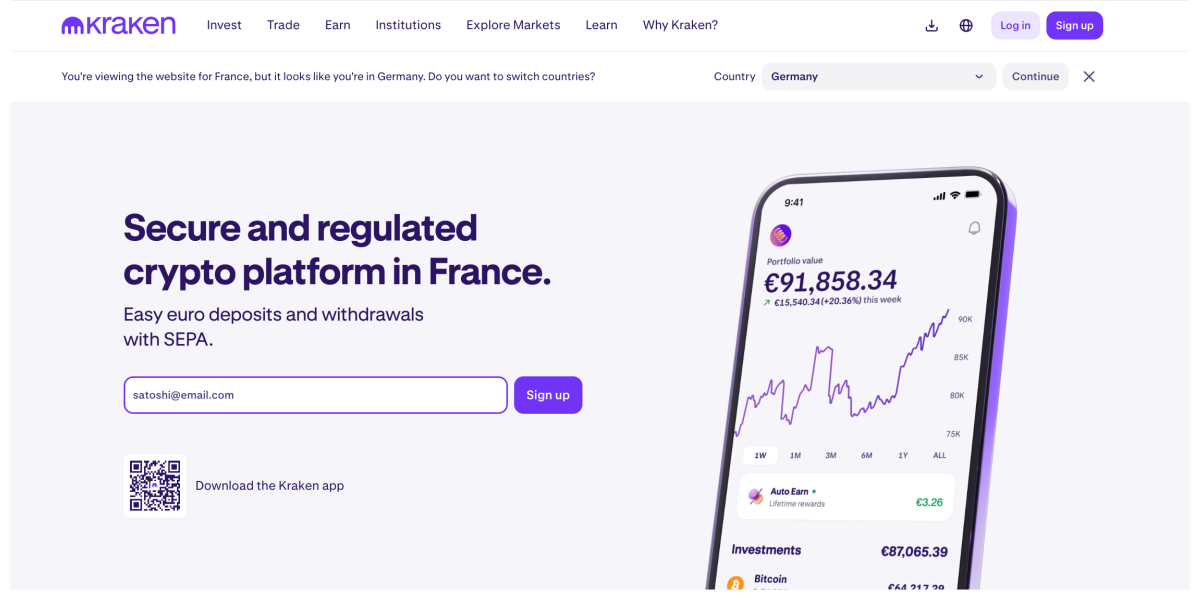
We view Kraken margin trading as a conservative alternative to high-leverage platforms, aimed at traders who prioritise compliance, transparency, and capital protection over aggressive trading strategies.
Key Margin Trading Conditions
Kraken positions itself as a conservative choice among crypto margin trading exchanges. Kraken margin trading allows users to trade with borrowed funds on a limited selection of major assets, including BTC and ETH. Borrowing levels remain deliberately restrained compared with platforms like Bybit or OKX, which reduces forced liquidations but also limits aggressive strategies. Margin access depends on verification level and jurisdiction, reflecting Kraken’s regulation-first approach.
Fees, Liquidity, and Execution
Kraken charges trading fees that sit above Bybit and Binance but remain predictable and clearly disclosed. Borrowing costs accrue over time, which makes Kraken better suited to shorter holding periods. Liquidity is strong on major pairs, though execution depth does not match larger derivatives-focused platforms. Slippage stays manageable for moderate position sizes.
Platform Usability and Compliance
We find Kraken’s interface functional but less intuitive than CEX.IO. The platform prioritises security, reporting, and jurisdictional compliance over speed or advanced tooling. This makes Kraken margin trading appealing to risk-aware traders, especially in tightly regulated regions.
Pros and Cons
Kraken suits traders who value stability and regulation over flexibility.
Pros:
- Strong regulatory standing
- Transparent borrowing rules
- Solid security infrastructure
Cons:
- Higher fees than competitors
- Limited asset coverage
- Less flexible trading mechanics
Crypto.com
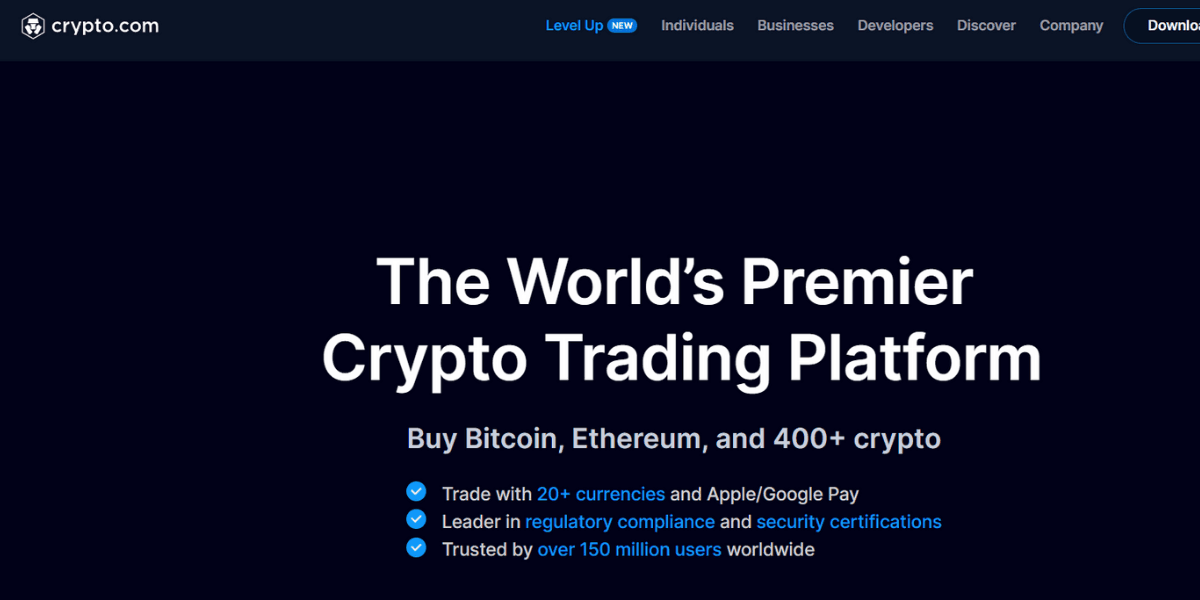
Crypto.com is often mentioned among the best crypto exchanges for margin trading for users who want margin access within a broader financial ecosystem.
Rather than positioning itself as a specialist margin venue, Crypto.com integrates margin trading alongside spot markets, payments, and custody services, appealing to traders who value platform breadth and regulatory structure over advanced leverage strategies.
Key Margin Trading Conditions
The Crypto.com margin trading features allow eligible users to open leveraged positions by using supported cryptocurrencies as collateral. Margin availability focuses on major assets, with conservative borrowing limits compared to those at Bybit or OKX.
Access depends on jurisdiction and verification level, reinforcing Crypto.com’s compliance-first positioning but limiting flexibility for more aggressive trading approaches.
Fees, Liquidity, and Execution
Crypto.com applies standard trading fees plus interest on borrowed balances, which can become costly over longer holding periods. Liquidity is reliable on top pairs, but execution depth is weaker than specialist margin platforms like CEX.IO. During high volatility, slippage can increase, particularly outside core markets.
Platform Usability and Compliance
From a usability standpoint, Crypto.com offers a polished interface, though its margin tools feel secondary compared with those of CEX.IO or Kraken. The platform prioritises regulatory compliance, reporting, and account controls, making it suitable for users who prefer structured risk management over active margin optimisation.
Pros and Cons
Crypto.com suits traders seeking regulated margin access within a multi-service platform rather than a pure trading environment.
Pros:
- Strong regulatory and compliance focus
- Integrated ecosystem beyond margin trading
- Clear margin rules and disclosures
Cons:
- Limited margin trading features compared with specialists
- Less stable execution during volatility
- Not optimised for advanced margin strategies
MEXC
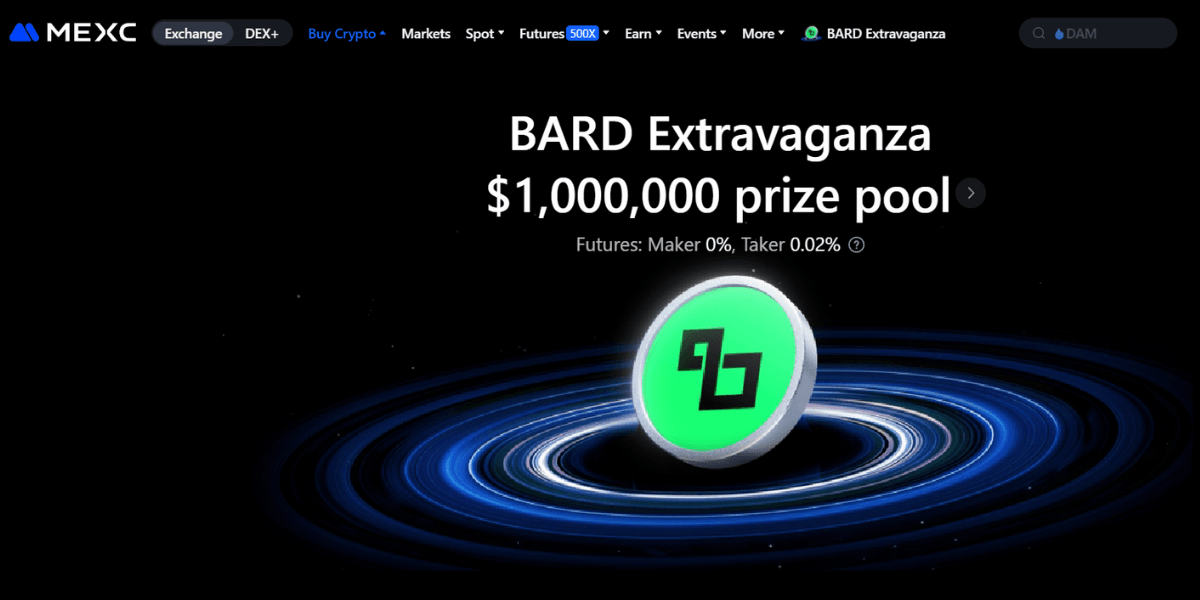
MEXC is frequently listed among the best margin trading crypto exchanges for users who prioritise wide market coverage and flexible trading mechanics. Rather than focusing on a regulation-first approach like CEX.IO or Kraken, MEXC's margin trading appeals to active traders who want access to a broad range of assets and faster-moving markets.
Key Margin Trading Conditions
MEXC margin trading supports borrowed-position trading across a large selection of pairs, including major assets and smaller-cap tokens.
Position multipliers extend beyond what regulated platforms typically allow, giving traders more flexibility but also requiring closer risk monitoring. Compared with CEX.IO, margin conditions feel less structured, with liquidation thresholds that demand active position management.
Fees, Liquidity, and Execution
Trading fees on MEXC are competitive, particularly for high-frequency activity. Liquidity is strong across popular pairs, though it can thin quickly on less liquid markets. Execution speed is generally solid, but price stability during sharp market moves does not consistently match platforms with aggregated liquidity models like CEX.IO.
Platform Usability and Compliance
MEXC offers a feature-dense interface designed for experienced traders. However, navigation feels less intuitive than CEX.IO, and regulatory transparency varies by region. Compliance standards are lighter than those of Kraken or Crypto.com, which may limit suitability for users in stricter jurisdictions.
Pros and Cons
MEXC is best suited to traders who prioritise market variety over regulatory depth.
Pros:
- Broad asset coverage for margin trading
- Competitive trading fees
- Fast execution on major pairs
Cons:
- Weaker regulatory alignment than top-tier platforms
- Less predictable liquidation behaviour
- The interface can feel complex for less experienced users
Binance
Binance remains one of the most widely used platforms for margin trading due to its scale, deep markets, and broad product range. Binance margin trading appeals primarily to active traders who want extensive asset coverage and strong liquidity, though it comes with greater complexity and tighter risk management requirements than more controlled platforms like CEX.IO.
Key Margin Trading Conditions
With margin Binance trading, users can open borrowed positions across a wide range of spot pairs, including BTC, ETH, and numerous altcoins.
Position multipliers are higher than those offered by CEX.IO, which creates more flexibility but also increases exposure to rapid liquidation during volatile moves. Margin access varies by jurisdiction and account level, reflecting Binance’s evolving regulatory structure.
Fees, Liquidity, and Execution
Binance offers some of the deepest liquidity in the market, which supports tight spreads and efficient execution on major pairs. Trading fees remain competitive, especially for high-volume users, though borrowing costs and funding mechanics add complexity. Compared with CEX.IO, fee structures feel less straightforward and require closer monitoring over time.
Platform Usability and Compliance
Binance provides a powerful but dense interface. While experienced traders may appreciate the depth, newer margin traders often face a steeper learning curve than on CEX.IO. Regulatory availability and feature access differ significantly by region, which can affect long-term consistency.
Pros and Cons
Binance suits traders who prioritise scale and market access over simplicity.
Pros:
- Deep global liquidity across major and minor pairs
- Competitive trading fees for active users
- Extensive asset coverage
Cons:
- Complex margin mechanics
- Less predictable regulatory availability
- Higher risk profile than more controlled platforms like CEX.IO
OKX
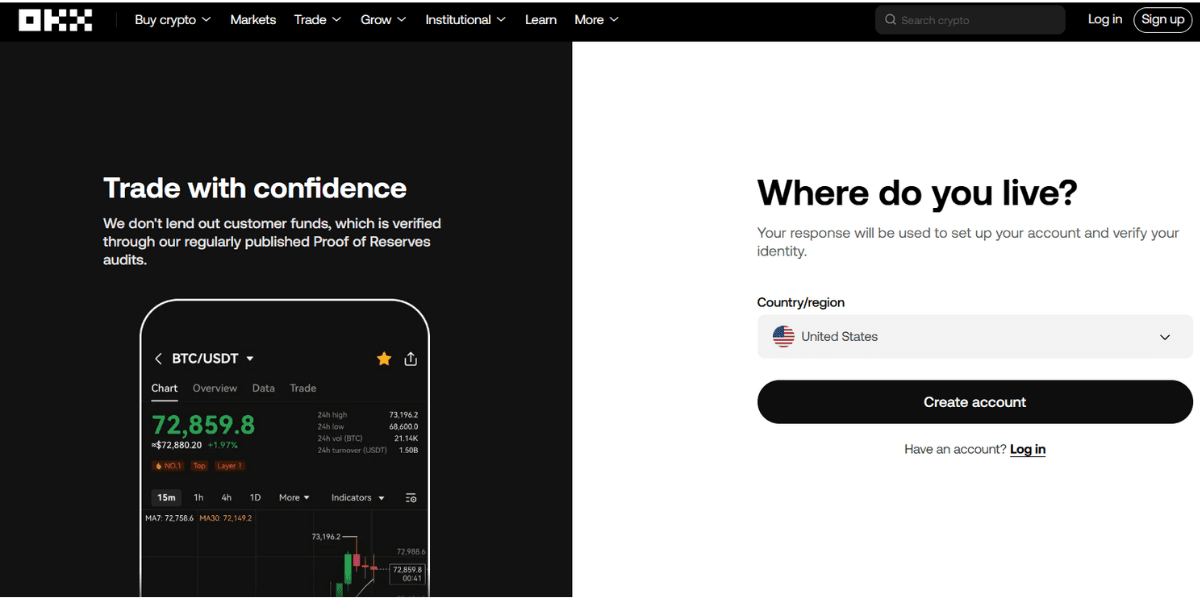
OKX sits firmly among advanced trading crypto exchanges, with a strong focus on derivatives and active trading mechanics. Its margin offering targets experienced users who want flexibility, deep tooling, and broad market access, rather than a simplified or compliance-led experience like CEX.IO.
Key Margin Trading Conditions
The OKX margin trading features support borrowed-position trading across a wide range of spot and derivatives pairs. Position multipliers exceed those available on CEX.IO, potentially enabling greater exposure but increasing sensitivity to sharp market moves.
Margin rules vary by product type, and users must actively track thresholds and balances, especially when managing multiple positions simultaneously.
Fees, Liquidity, and Execution
OKX delivers strong liquidity on major pairs, with tight spreads during normal market conditions. Fees remain competitive, though margin-related costs depend on product structure and holding duration.
Compared with CEX.IO, the cost model feels more layered and requires closer oversight to avoid surprises during longer trades.
Platform Usability and Compliance
The platform offers extensive tools, charts, and order types, but the interface feels dense. Regulatory clarity varies by region, which can affect feature availability. OKX suits confident traders who prefer flexibility over simplicity.
Pros and Cons
OKX works best for advanced traders who actively manage positions.
Pros:
- Broad margin asset coverage
- Strong liquidity on major markets
- Advanced trading tools
Cons:
- Complex margin structure
- Less transparent costs than CEX.IO
- Weaker regulatory consistency
Bybit
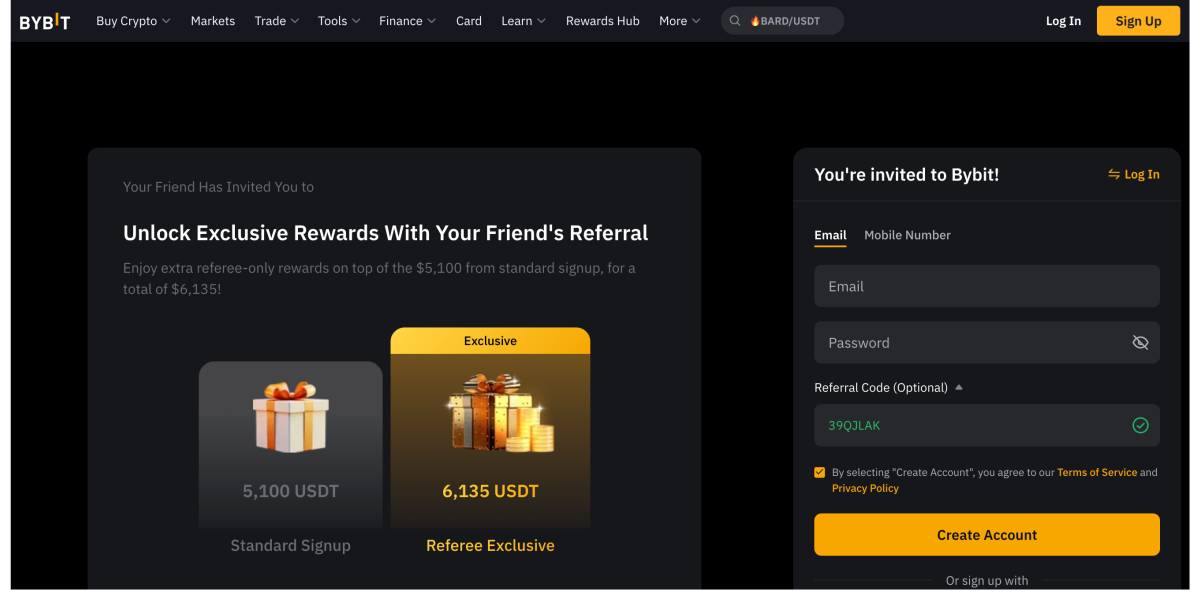
Bybit is widely known for fast execution and an aggressive trading environment. Bybit margin trading attracts active traders who prioritise speed, volatility access, and short-term positioning rather than controlled risk frameworks.
Key Margin Trading Conditions
Bybit enables margin trading across spot and derivatives markets, with higher position multipliers than CEX.IO. This structure supports rapid position scaling but increases liquidation sensitivity. Margin modes such as isolated and cross are available, though effective use requires constant monitoring.
Fees, Liquidity, and Execution
Execution speed is one of Bybit’s strengths, particularly during high-volume periods. Liquidity is strong across major pairs, but margin-related costs can fluctuate with market conditions. Compared with CEX.IO, fees feel less predictable over time.
Platform Usability and Compliance
Bybit offers a modern, trading-first interface with deep functionality. However, regulatory availability is limited in several regions, affecting the long-term reliability of some users. Compliance depth, on the other hand, does not match platforms like CEX.IO or Kraken.
Pros and Cons
Bybit suits traders who prioritise speed and active market participation.
Pros:
- Fast execution and strong liquidity
- Flexible margin modes
- Well-suited to short-term trading
Cons:
- Higher risk profile
- Less regulatory coverage
- Requires constant position oversight
Best Margin Trading Alternatives
Whether you’re looking for the top crypto exchanges for margin trading or their alternatives, it's crucial to approach the decision with a structured mindset.
First, always prioritize regulatory compliance. This ensures the platform complies with the laws of your jurisdiction and helps protect your funds. Look for platforms that are licensed and regulated in your country or region, as these offer a higher level of security and adherence to financial standards.
Next, evaluate margin conditions. Different exchanges offer varying levels of leverage, margin requirements, and liquidation processes. If you're looking for more flexibility, you may choose exchanges that offer higher leverage, but remember that higher leverage increases risk.
Understand the borrowed funds allowed and how liquidation is handled in the event of unfavorable market movements.
Liquidity and execution speed are also key. Look for exchanges with deep liquidity on major trading pairs, as this reduces slippage during volatile markets, which is crucial when trading with leverage.
Lastly, choose a platform with an interface that suits your level of experience. User-friendly platforms with clear risk indicators and margin controls are vital for those who want to avoid confusion and mitigate risk effectively.
By considering these factors, you can find an alternative platform that aligns with your trading goals and risk tolerance.
Buy crypto with a debit or credit card
Purchase top cryptocurrencies
Become a crypto owner using your debit or credit card.
Easily withdraw your money
Withdraw your funds to a card or bank account in a few clicks.
FAQ
What is margin trading?
Margin trading is a trading method that allows participants to open larger positions by borrowing funds against posted collateral. In crypto markets, this approach increases exposure to assets like BTC without committing the full position value upfront. To understand what margin trading is in practice, it helps to know that both potential rewards and losses scale with position size, making risk management essential.
How does crypto margin trading work?
Crypto margin trading works by using part of your funds as collateral while the platform temporarily provides additional capital. Traders can open long or short positions on assets like BTC. If prices move unfavorably, the exchange may issue a margin call or close the position to limit further losses.
How to start crypto margin trading?
To start crypto margin trading, you need to create and verify an account on a supported exchange, fund your margin wallet, and enable margin trading features. Before opening positions, review margin rules, liquidation levels, and fees. Starting with smaller positions helps manage risk while learning platform mechanics.
What is a margin account in trading?
A margin account is a special trading account that allows users to borrow funds against deposited collateral. It tracks borrowed balances, required collateral levels, and liquidation thresholds. Unlike standard spot accounts, margin accounts require active risk management, as market movements directly affect available funds and the safety of positions.
What is the best margin trading platform for beginners?
For beginners, the best margin trading platform prioritises transparency, clear rules, and platform stability. CEX.IO stands out for its regulated environment, straightforward fee structure, and clear margin terms. These features can make it easier for new traders to understand risks and manage positions responsibly.
Is crypto margin trading in the U.S. legal?
Crypto margin trading in the U.S. is heavily restricted for retail users. Regulatory bodies impose strict requirements on borrowing-based trading products, which means most global exchanges do not offer margin trading to U.S.-based retail customers. Availability depends on platform licensing, user classification, and applicable federal regulations.
Best margin trading platform in the US?
For U.S.-based users, margin trading choices are limited due to regulatory constraints. Platforms operating in the U.S. typically restrict margin access to eligible users only. When available, traders should prioritise exchanges with strong regulatory oversight, transparent rules, and clear risk controls, rather than focusing on aggressive trading features.